The Allure of Lofty Popovers Yorkshire Pudding: More Than Just a Side Dish
Imagine a dining table laden with delectable dishes, the air rich with inviting aromas, and at its heart, a basket of golden, dramatically puffed creations stealing the show. These are no ordinary rolls; we’re talking about lofty popovers Yorkshire pudding. Far from being a mere accompaniment, these culinary marvels possess a unique ability to transform any meal from a simple supper into an extraordinary feast.
Picture them alongside a succulent roast chicken, its skin glistening with herb-infused butter, or nestling into the rich, aromatic depths of a slow-cooked stew. Perhaps they’re poised to soak up every last drop of a savory pan gravy, their crisp, airy interiors acting as the perfect sponge. The magic of Elevate Any Meal: The Comforting Flavor of Lofty Yorkshire Popovers lies in their versatility and their profound comforting quality. Whether as a comforting companion to your evening dinner, a centerpiece for a festive gathering, or even an unexpected stand-alone treat, they infuse every bite with warmth and an undeniable sense of occasion.
As a food enthusiast and registered dietitian, I often find myself excited to discuss recipes that bring genuine joy and comfort to the table. Lofty popovers Yorkshire pudding is precisely one such recipe. With a handful of simple ingredients and a straightforward method, these classic British favorites can easily become your go-to side dish, promising light, airy textures perfect for complementing all kinds of flavors. Let's embark on a journey to create the most impressive popovers you've ever tasted, armed with flavorful insights, practical tips, and a dash of culinary confidence.
Unpacking the Lofty Popovers Yorkshire Pudding Recipe: Ingredients and Core Principles
At its heart, the recipe for lofty popovers Yorkshire pudding is remarkably humble, relying on staples many of us already have in our pantries: flour, eggs, milk, salt, and a touch of fat. What truly distinguishes a Yorkshire pudding from its American cousin, the popover, is its historical purpose: it was specifically designed to be an ideal vessel for soaking up the rich pan drippings and gravy from a roast. Traditionally, these puddings were served as a substantial side dish with roasted meats, particularly beef, offering an economical way to extend a meal. Over centuries, however, their irresistible charm and unique texture have earned them a reputation all their own, sometimes leading to innovative servings with sweet fillings or even as a standalone delight.
The Essential Ingredients for Perfect Lofty Popovers
Success begins with understanding the role of each component:
- Flour: The choice of flour plays a subtle yet significant role. While all-purpose flour delivers excellent flavor and a reliable rise, some enthusiasts swear by bread flour for achieving the maximum possible height due to its higher protein content. Experiment with both to discover your preference.
- Eggs: Crucial for structure and lift, eggs provide the protein that sets during baking. Always use room temperature eggs. This isn't a mere suggestion; it's a golden rule. Room temperature eggs emulsify more effectively with the milk, creating a smoother, more homogenous batter that incorporates air better, leading to a superior rise.
- Milk: Like eggs, using slightly warmed milk (around 75°F or lukewarm to the touch) facilitates a smoother, lump-free batter. It also helps the ingredients combine more readily, creating a consistent mixture.
- Salt: A pinch of salt is vital, not just for seasoning the batter, but also for balancing the subtle sweetness from the milk, ensuring a well-rounded and inviting flavor profile.
- Fat: Whether it's beef drippings (the traditional choice for true Yorkshire puddings), melted butter, or a neutral high-smoke-point oil like vegetable or canola oil, the fat is essential. Heating the fat to smoking point in the muffin tin before adding the batter creates the initial steam burst that helps the popovers dramatically puff up, forming that signature crisp exterior.
The Flavor Profile: Simple Yet Profoundly Comforting
The flavor of lofty popovers Yorkshire pudding is mild, yet profoundly comforting. Upon the first bite, you'll likely notice a gentle, buttery richness that speaks of its origins. The delicate balance between the subtle sweetness of the milk and the hint of salt creates an inviting, adaptable taste that never overwhelms. Instead, it harmoniously merges with whatever flavors you choose to pair it with, be it a robust, savory gravy or the complex sauce from your favorite stew.
Mastering the Technique: Secrets to Sky-High Lofty Popovers
Achieving those impressive, dramatically tall lofty popovers Yorkshire pudding isn't about magic; it's about mastering a few precise techniques that transform simple ingredients into culinary masterpieces. For even more detailed guidance, consider exploring Achieve Incredible Height: Secrets to Airy Yorkshire Popovers.
Batter Preparation: Smoothness is Key
- Accurate Measurements: While many home cooks eyeball ingredients, precision is your ally here. Using a kitchen scale for flour and liquids can make a noticeable difference in consistency and, ultimately, height.
- Blending for Perfection: For the smoothest possible batter, a blender is your best friend. Combine the room temperature eggs, warmed milk, flour, and salt in the blender. Blend until the mixture is completely smooth and free of any lumps. This aeration is vital for the popovers' incredible rise. You can even add a touch of melted butter directly into the batter for an added layer of richness.
- The Critical Rest: Once blended, resist the urge to bake immediately. Allow the batter to rest at room temperature for at least 30 minutes, or even better, an hour. This resting period allows the flour to fully hydrate, the gluten to relax, and any air bubbles introduced during blending to stabilize. This contributes to a more tender texture and a more dramatic rise in the oven.
The Baking Process: Heat is Your Hype Man
- Preheat with Purpose: This is perhaps the most crucial step. Preheat your oven to a blazing 425°F (220°C). Place your chosen baking vessel – a 12-cup muffin tin, a specialized popover pan, or even cast iron popover pans – into the hot oven with a small amount of fat (about 1-2 teaspoons per cup) in each well. Allow the pan and fat to heat up for at least 10-15 minutes until the fat is sizzling and almost smoking. This intense initial heat is what creates the instant steam that propels the popovers upward.
- Swift Pour and Bake: Carefully remove the scorching hot pan from the oven. Pour the rested batter quickly and evenly into each hot, greased well, filling them about two-thirds full. Return the pan immediately to the hot oven.
- The Two-Stage Bake:
- Bake at 425°F (220°C) for 20 minutes. During this initial phase, the extreme heat causes the batter to rapidly expand, creating those iconic, sky-high domes.
- Without opening the oven door, reduce the temperature to 350°F (175°C) and bake for another 10-15 minutes. This lower temperature allows the popovers to cook through, crisp up, and develop a beautiful golden-brown color without burning.
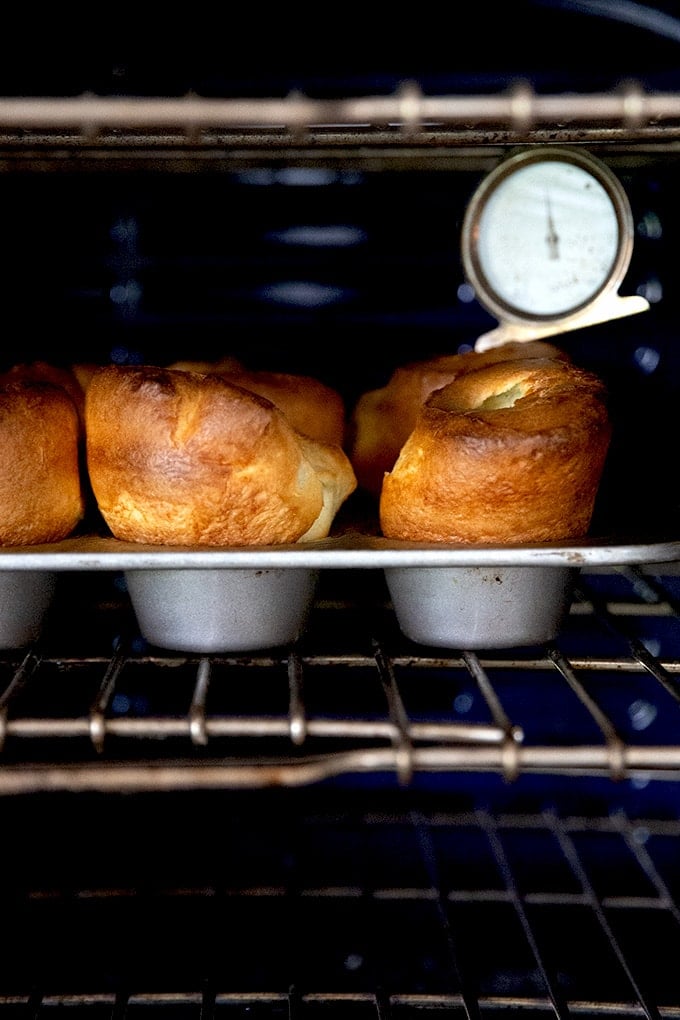
- Resist the Urge to Peek: Do NOT open the oven door during the first 20-25 minutes of baking. The sudden drop in temperature can cause your aspiring popovers to deflate, crushing your dreams of loftiness.
When you finally pull them from the oven, a perfect lofty popover Yorkshire pudding should stand tall and proud, boasting a wonderfully crisp, golden-brown outer shell that gives way to a hollow, tender, and slightly chewy interior. Serve them immediately with softened butter or, more traditionally, a generous ladle of rich gravy.
Elevating Your Meal: Pairing Lofty Popovers with Panache
The true beauty of lofty popovers Yorkshire pudding lies in their remarkable adaptability. Their mild, comforting flavor makes them a harmonious partner to an array of dishes, allowing them to shine in both traditional and contemporary settings.
- The Classic Companion: There's no denying their iconic pairing with roast beef and lashings of rich gravy. The hollow center of the popover is practically designed to become a mini gravy boat, capturing every drop of savory goodness.
- Roast Dinners Reimagined: Beyond beef, they are exceptional alongside any roasted meat. Think a beautifully cooked roast chicken, a slow-roasted leg of lamb, or even tender pork loin. Their lightness contrasts wonderfully with the richness of the meat.
- Hearty Stews and Casseroles: For a truly comforting meal, serve your popovers with a rustic beef bourguignon, a savory chicken pot pie filling, or a hearty lentil stew. They provide the perfect absorbent vehicle for soaking up delicious sauces.
- Breakfast and Brunch Brilliance: Don't limit popovers to dinner! Imagine them as a unique and impressive addition to a brunch spread, served alongside scrambled eggs, crispy bacon, or even savory sausage gravy.
- Sweet Surprises: While traditionally savory, their neutral flavor profile makes them surprisingly versatile for sweet applications. Fill them with fresh berries and whipped cream, a dollop of fruit compote, or a drizzle of maple syrup for an unexpected dessert or breakfast treat.
Troubleshooting Common Popover Pitfalls
Even seasoned bakers encounter challenges. Here are solutions to common popover problems:
- Why didn't they rise? This is often due to cold ingredients (eggs/milk), an under-mixed or over-mixed batter, or an oven that wasn't hot enough. Always ensure ingredients are at room temperature and your oven (and fat in the pan) is scorching hot. And remember, don't open that oven door too early!
- Soggy bottoms? This can happen if there wasn't enough fat in the tin, or if the oven wasn't hot enough to create a quick, crisp seal on the bottom. Ensuring the fat is smoking hot is key.
- Falling flat after baking? This usually indicates insufficient baking time. The internal structure wasn't fully set. They need that second phase of lower heat to cook through and stabilize. Also, sometimes a sudden draft or too much steam trapped can cause them to deflate.
Conclusion
Mastering lofty popovers Yorkshire pudding is a truly rewarding culinary endeavor. With just a few basic ingredients and a keen eye on technique, you can consistently achieve these impressive, airy wonders that promise to elevate any meal they grace. From their historical roots as a savory accompaniment to roast beef to their modern versatility with sweet and savory fillings, these delightful popovers are more than just a dish; they're an experience.
So, preheat that oven, whisk up that batter, and prepare to delight your taste buds and impress your guests. The journey to perfect lofty popovers Yorkshire pudding is not just about following a recipe, but about embracing the joy of baking and bringing genuine warmth and deliciousness to your table.
